
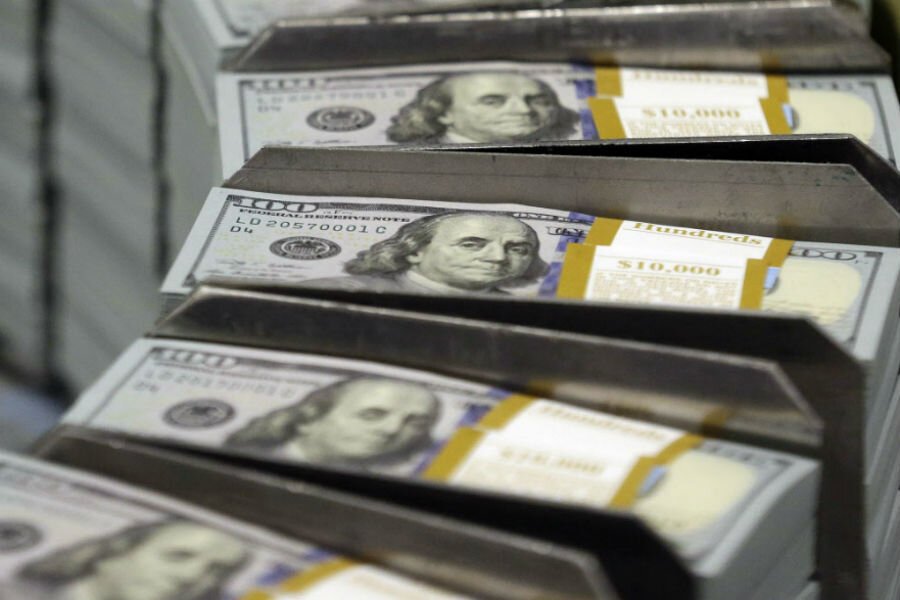
Counterfeit currency remains an important concern for central banks, financial institutions, businesses and consumers around the world. Despite improvements in banknote security, digital payment technology and law-enforcement capabilities, illegally reproduced banknotes and coins continue to appear in some economies.
In 2026, official reports from central banks provide useful insights into the scale of counterfeit currency detected, the denominations most frequently affected and the measures being used to protect the integrity of cash transactions.
Recent figures also reveal an important distinction: the number of counterfeit banknotes discovered does not necessarily indicate how widespread counterfeiting is within an economy. The volume of genuine currency in circulation, the effectiveness of detection systems and the reporting practices of financial institutions all influence the statistics.
This article examines recent official findings, emerging developments and the continuing importance of banknote security in the global financial system.
What Is Counterfeit Currency?
Counterfeit currency refers to illegally produced money designed to imitate genuine banknotes or coins. It is created and circulated without authorization from the government or monetary authority responsible for issuing the legitimate currency.
Counterfeit banknotes may attempt to imitate the appearance of genuine money, including its colours, portraits, denominations and other visual characteristics. However, they do not possess the legal status or authentic security properties of officially issued currency.
Counterfeiting is a financial crime because it undermines confidence in money, exposes individuals and businesses to financial losses and can create additional costs for financial institutions and governments.
Central banks invest significant resources in developing secure banknotes, educating the public and working with law-enforcement agencies to identify and remove counterfeit currency from circulation.
Global Counterfeit Currency Trends in 2026
Recent official reports indicate that counterfeit currency remains a monitored issue, although the situation differs significantly between countries and currency systems.
One of the most useful sources of current information is the European Central Bank’s February 2026 report covering counterfeit euro banknotes detected during 2025.
The report recorded approximately 444,000 counterfeit euro banknotes withdrawn from circulation in 2025. This represented a 20% decrease compared with 2024. The ECB also reported that 14 counterfeit notes were detected for every one million genuine euro banknotes in circulation, placing the rate among the lowest recorded since the introduction of the euro.
These findings demonstrate that the presence of counterfeit banknotes does not automatically mean that a currency is experiencing widespread counterfeiting. In the euro area, the proportion of counterfeit notes compared with genuine notes remains very small.
The European Central Bank also reported that €20 and €50 banknotes accounted for approximately 80% of the counterfeit euro notes detected in 2025.
These figures provide an important reference point for understanding counterfeit currency developments, although they should not be interpreted as a complete picture of every currency or region worldwide.
What Recent Central Bank Reports Reveal
Central banks regularly publish information about counterfeit banknotes detected within their jurisdictions. These reports help financial institutions, retailers, law-enforcement agencies and the public understand the scale and characteristics of the problem.
European Central Bank: Counterfeit Euro Banknotes Declined in 2025
The European Central Bank’s February 2026 report showed that approximately 444,000 counterfeit euro banknotes were removed from circulation during 2025, compared with 554,000 in 2024.
The report identified €20 and €50 notes as the most frequently counterfeited denominations. Together, they represented approximately 80% of all counterfeit euro banknotes detected.
The ECB also noted that most counterfeit notes discovered were of low quality, with no security features or only poor imitations of genuine features.
The findings highlight the importance of public awareness and the security measures incorporated into modern euro banknotes. The ECB continues to recommend checking banknotes using the simple feel, look and tilt method.
Bank of England: Counterfeit Banknotes Remain a Small Proportion
The Bank of England’s latest published figures indicate that counterfeit banknotes represented less than 0.0041% of banknotes in circulation in 2025.
Approximately 200,000 counterfeit Bank of England banknotes, with a nominal face value of £4 million, were removed from circulation during the year.
The Bank of England attributes the substantial reduction in counterfeiting since 2019 to several factors, including the introduction of more robust polymer banknotes, withdrawal of older paper designs, successful police action against counterfeit currency sources and the increased use of electronic payments.
The findings demonstrate how improvements in banknote design and coordinated enforcement efforts can contribute to reducing counterfeit currency in circulation.
Deutsche Bundesbank: Early 2026 Findings in Germany
A separate report published by the Deutsche Bundesbank on 7 August 2026 provides an early look at counterfeit currency developments during the first half of 2026.
The Bundesbank identified approximately 30,000 counterfeit euro banknotes in German payments during the first six months of the year. Their nominal value was approximately €1.75 million.
Compared with the second half of 2025, the number of counterfeit notes decreased by 4.3%, while the reported losses declined by 5%.
The €50 denomination remained the most frequently detected counterfeit note, accounting for approximately 47% of the total. The report also recorded an increase in counterfeit €100 banknotes compared with the previous reporting period.
The Bundesbank highlighted the continued importance of checking banknotes carefully and comparing suspicious notes with genuine examples.
These figures apply specifically to Germany and should not be treated as global counterfeit currency statistics.
Which Banknote Denominations Are Most Frequently Counterfeited?
Counterfeit currency reports frequently identify certain denominations more often than others. However, the most affected denominations can vary depending on the currency, country, security features and circulation patterns.
In the euro area, the €20 and €50 notes represented approximately 80% of counterfeit banknotes detected in 2025.
Germany’s first-half 2026 figures also identified the €50 note as the most frequently detected counterfeit denomination, followed by the €20 and €100 notes.
There are several reasons why particular denominations may appear more frequently in counterfeit currency reports.
Everyday circulation: Banknotes commonly used for ordinary purchases may be encountered more frequently by retailers and consumers, increasing opportunities for detection.
Public familiarity: People who regularly handle certain denominations may become more familiar with their appearance and security characteristics.
Currency circulation patterns: The number of genuine notes in circulation and the way people use cash can influence the distribution of counterfeit detections.
Enforcement activity: Police investigations, bank screening and targeted inspections can affect the number and types of counterfeit notes discovered during a reporting period.
It is important to remember that frequently detected denominations are not necessarily the most vulnerable banknotes. Official security features and detection procedures play a major role in determining whether suspicious currency is identified.
How Are Counterfeit Banknotes Detected in 2026?
Modern counterfeit currency detection relies on a combination of public awareness, professional cash-handling equipment, banking procedures and law-enforcement investigations.
Manual Banknote Authentication
Consumers and retailers can examine banknotes using the security features provided by the issuing central bank.
Depending on the currency, these may include watermarks, security threads, holographic elements, colour-changing features, raised printing and other characteristics.
The European Central Bank recommends the feel, look and tilt approach for checking euro banknotes. Similar authentication guidance is provided by other central banks for their respective currencies.
Banknote Detection Equipment
Banks, cash-processing centres and large retailers may use specialized equipment to examine banknotes.
Depending on the equipment and currency, these systems can assess security characteristics and identify notes requiring further inspection.
Central banks also work with manufacturers and professional cash handlers to ensure that approved banknote-processing equipment can recognize counterfeit notes and prevent them from being returned to circulation.
Financial Institution Screening
Banks play an important role in identifying suspicious currency received through deposits, cash exchanges and other banking activities.
When a suspicious note is discovered, financial institutions follow the reporting and handling procedures established by the relevant monetary authority and national regulations.
Law-Enforcement Investigations
Police and other authorized agencies investigate counterfeit currency production and distribution networks.
Their work may involve examining seized currency, investigating financial transactions, identifying individuals involved in illegal activities and coordinating with authorities in other jurisdictions.
International cooperation is particularly important when counterfeit currency crosses national borders.
How Have Modern Banknote Security Features Helped Reduce Counterfeiting?
Banknote security technology has developed considerably over the years. Modern currencies incorporate multiple features designed to make genuine notes easier to authenticate and counterfeit notes easier to identify.
Some of the commonly used security features include:
Watermarks: Images or patterns incorporated into banknote material that become visible when held against the light.
Security threads: Embedded or integrated elements that help authenticate genuine banknotes.
Holographic features: Special visual elements that change appearance when the banknote is tilted.
Colour-changing ink: Printing features that display different colours or visual effects depending on the viewing angle.
Raised printing: Tactile features that allow users to feel parts of the printed design.
Polymer materials: Durable banknote materials used by several monetary authorities, often combined with specialized transparent windows and other security features.
No single feature should be relied upon in isolation. The most reliable approach is to check several characteristics and follow the official guidance provided by the issuing central bank.
The Role of Polymer Banknotes in Currency Security
Polymer banknotes have become increasingly important in the development of modern currency systems.
Unlike traditional paper-based banknotes, polymer notes are produced using a durable plastic substrate. They can incorporate specialized security features, including transparent windows and other elements designed to support authentication.
Several countries have adopted polymer banknotes for some or all of their denominations. These include the United Kingdom, Australia, Canada and a number of other economies.
The Bank of England has identified the introduction of polymer banknotes as one of the factors contributing to the reduction of counterfeit banknotes in the United Kingdom since 2019.
However, polymer material does not make counterfeiting impossible. Security depends on the complete banknote design, the quality of its authentication features, public awareness and effective detection procedures.
How Digital Payments Are Influencing Counterfeit Currency Trends
The increasing use of electronic payments has changed the way consumers and businesses conduct financial transactions.
Mobile wallets, contactless cards, online banking and digital payment platforms have reduced the need for physical cash in many markets.
This shift can influence counterfeit currency trends because lower cash usage may reduce the number of opportunities for counterfeit banknotes to enter everyday transactions.
The Dutch central bank, De Nederlandsche Bank, identified declining cash usage, greater attention from retailers and increased law-enforcement activity as possible factors contributing to the reduction in counterfeit euro banknotes detected in the Netherlands in 2025.
However, digital payments have not eliminated the need for physical currency. Cash remains important for everyday purchases, financial inclusion and situations where electronic payment systems are unavailable.
As a result, central banks continue to invest in banknote security even as digital payment adoption increases.
It is also important to recognize that digital payments introduce different security challenges, including online payment fraud, identity theft, phishing and unauthorized account access.
The movement toward digital transactions therefore changes the nature of financial security risks rather than removing them entirely.
The Economic Impact of Counterfeit Currency
Counterfeit currency can affect individuals, businesses, financial institutions and national economies.
Financial Losses for Consumers and Businesses
People who unknowingly accept counterfeit banknotes may lose the full value of the money because suspicious or confirmed counterfeit notes are generally not exchanged for genuine currency.
Small businesses, retailers, market traders and service providers can be particularly affected when they receive counterfeit money during ordinary transactions.
Reduced Confidence in Cash Transactions
The circulation of counterfeit currency can weaken public confidence in physical money.
When consumers and businesses become concerned about accepting banknotes, they may spend additional time checking cash or prefer alternative payment methods.
Increased Costs for Financial Institutions
Banks and cash-processing organizations must invest in staff training, authentication equipment, secure handling procedures and reporting systems to identify counterfeit currency.
Government and Law-Enforcement Expenses
Counterfeiting investigations require resources for intelligence gathering, forensic examination, prosecution and international cooperation.
These activities are necessary to protect the integrity of national currencies and maintain confidence in the financial system.
How Consumers and Businesses Can Protect Themselves
Preventing counterfeit currency losses requires awareness and responsible cash-handling practices.
Consumers and businesses can reduce their exposure by following a few important precautions.
- Learn the security features of commonly used banknotes: Consult the official website of the relevant central bank for guidance on authenticating local currency.
- Check suspicious notes carefully: Examine several security features rather than relying only on colour, size or general appearance.
- Use genuine notes as a comparison: When uncertain, compare a suspicious banknote with another note known to be genuine.
- Train employees who handle cash: Businesses should ensure that cashiers and other staff understand basic banknote authentication procedures.
- Use appropriate detection equipment: Organizations handling large amounts of cash should consider equipment suitable for the currencies they accept.
- Follow official reporting procedures: If a banknote appears suspicious, contact the relevant bank or authorities for guidance.
- Avoid recirculating suspected counterfeit notes: Do not knowingly pass a suspicious banknote to another person or attempt to use it as payment.
What Should You Do If You Receive a Suspected Counterfeit Banknote?
Receiving a suspicious banknote does not necessarily mean that the person presenting it knows it is counterfeit. Nevertheless, it is important to handle the situation carefully.
First, avoid spending or transferring the note to someone else. Compare it with a genuine banknote of the same currency and denomination, paying attention to the security features identified by the issuing central bank.
If the note remains suspicious, contact your bank, the relevant central bank or the appropriate law-enforcement authority. Follow the official instructions for submitting the note for examination.
Procedures differ between countries, so consumers should consult local regulations rather than assume that every jurisdiction handles suspected counterfeit currency in the same way.
In many jurisdictions, confirmed counterfeit notes are retained by the authorities and are not reimbursed.
The Future of Counterfeit Currency Prevention
The future of currency security will depend on continued improvements in banknote design, authentication technology, public education and international cooperation.
Central banks are expected to continue reviewing the security features of existing banknotes and introducing improvements where necessary.
Advances in cash-processing equipment may also improve the ability of financial institutions and retailers to identify suspicious notes efficiently.
At the same time, stronger cooperation between monetary authorities, banks and law-enforcement agencies will remain important in responding to cross-border counterfeiting activities.
The increasing use of digital payments will continue to influence cash circulation, but physical banknotes are likely to remain relevant in many economies for the foreseeable future.
For this reason, educating the public about banknote security remains an important part of protecting the global financial system.
Frequently Asked Questions
1. Is counterfeit currency still a problem in 2026?
Yes. Counterfeit currency continues to be detected in different countries, although the scale varies between currencies and regions. Recent central bank reports show that counterfeit banknotes remain a small proportion of genuine currency in circulation in some major currency systems.
2. How many counterfeit euro banknotes were detected in 2025?
According to the European Central Bank, approximately 444,000 counterfeit euro banknotes were withdrawn from circulation in 2025. This represented a 20% decrease compared with 2024.
3. Which euro banknotes are most frequently counterfeited?
The €20 and €50 denominations were the most frequently detected counterfeit euro banknotes in 2025, together accounting for approximately 80% of the total reported by the European Central Bank.
4. Are polymer banknotes more secure than paper banknotes?
Polymer banknotes can incorporate advanced security features and offer greater durability than traditional paper-based notes. However, their overall security depends on the complete design and authentication features rather than the material alone.
5. Can banks detect counterfeit banknotes?
Yes. Banks use trained personnel, authentication procedures and specialized equipment to identify suspicious banknotes. Suspected counterfeits are handled according to the regulations and procedures established by the relevant monetary authority.
6. What happens when a counterfeit banknote is discovered?
The note is generally removed from circulation and handled by the appropriate bank or authority for examination and reporting. Confirmed counterfeit banknotes are usually not exchanged for genuine money, although procedures vary by jurisdiction.
7. Does the increasing use of digital payments reduce counterfeiting?
Lower cash usage may reduce opportunities for counterfeit banknotes to enter everyday transactions. However, digital payments introduce other forms of financial fraud, and physical currency remains important in many economies.
8. How can consumers identify counterfeit banknotes?
Consumers should follow the official authentication guidance provided by the issuing central bank. Depending on the currency, this may involve checking watermarks, security threads, holograms, raised printing and other security features.
Conclusion
Counterfeit currency remains an issue that requires continued attention from central banks, financial institutions, businesses and consumers. However, recent official reports show that the scale of the problem varies considerably between countries and that improved banknote security, effective detection systems and law-enforcement efforts can contribute to reducing counterfeit currency in circulation.
The European Central Bank’s 2025 figures, published in February 2026, recorded a 20% decline in counterfeit euro banknotes withdrawn from circulation. The Bank of England also reported that counterfeit notes represented less than 0.0041% of banknotes in circulation in 2025. Meanwhile, early figures from Germany’s first half of 2026 show that authorities continue to monitor changing patterns in counterfeit banknotes.
These developments reinforce the importance of modern banknote security, public awareness and responsible cash handling. Consumers and businesses should remain familiar with the security features of their local currencies and follow official guidance whenever they encounter suspicious banknotes.
As payment systems continue to evolve, protecting the integrity of physical currency will remain an important part of maintaining confidence in the global financial system.
