
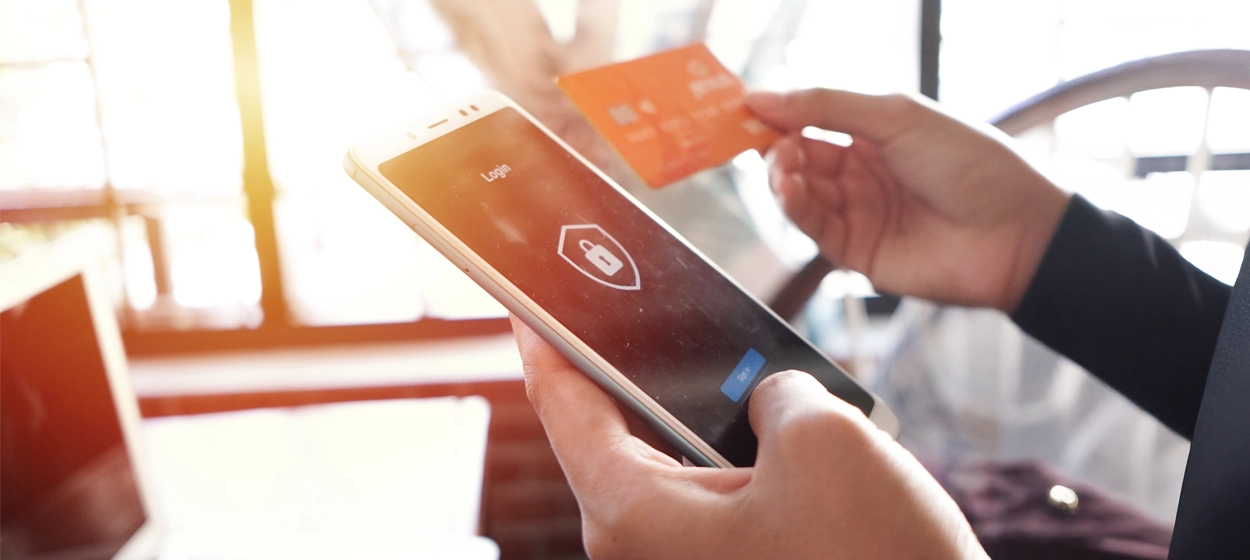
Every day, millions of debit and credit card transactions take place across the world. Consumers use payment cards to shop online, withdraw cash, pay bills, book travel and make everyday purchases. While these transactions provide convenience, they also create opportunities for unauthorized activity and payment fraud.
To protect customers and maintain the security of payment systems, banks use sophisticated monitoring technologies to identify transactions that may be suspicious or fraudulent.
These systems examine different aspects of payment activity, including transaction amounts, locations, spending patterns, merchant information and account behaviour. When a transaction appears unusual, the bank may apply additional security checks, decline the payment or contact the cardholder for verification.
Understanding how banks detect suspicious card transactions helps consumers appreciate the security measures behind modern payment systems and recognize why legitimate payments are sometimes temporarily declined.
What Is a Suspicious Card Transaction?
A suspicious card transaction is a payment or withdrawal that displays characteristics suggesting possible unauthorized use, unusual account activity or potential financial fraud.
Not every unusual transaction is fraudulent. A customer may travel to another country, make an unusually large purchase or shop at a new merchant without any intention of committing fraud.
However, certain transaction patterns may indicate that someone other than the legitimate cardholder is attempting to use the account.
Banks therefore rely on transaction monitoring systems to identify activities that differ from normal account behaviour and determine whether additional verification is necessary.
Examples of activities that may receive additional scrutiny include:
- Multiple transactions occurring within a short period.
- Purchases that differ significantly from a customer’s usual spending pattern.
- Transactions from locations inconsistent with recent account activity.
- Repeated unsuccessful payment attempts.
- Unusual withdrawals or cash advances.
- Payments involving merchants or transaction patterns associated with elevated risk.
- Transactions occurring shortly after a card or account has been reported compromised.
Banks generally evaluate several factors together rather than treating one unusual transaction as automatic evidence of fraud.
How Do Banks Monitor Card Transactions?
Banks use automated fraud detection systems to examine payment activity as transactions are initiated and processed.
These systems can analyse large volumes of transaction information and compare individual payments with historical activity, known fraud patterns and security rules.
The monitoring process may involve several stages.
1. Transaction Information Analysis
When a customer makes a card payment, relevant transaction information is transmitted through the payment processing system.
Depending on the transaction and payment environment, this information may include the transaction amount, merchant details, transaction time, currency, location information and card or account identifiers.
The bank or relevant payment provider uses available information to evaluate the transaction and determine whether it meets the required security conditions.
2. Comparison With Previous Spending Behaviour
Banks may use historical account activity to establish a general picture of a customer’s normal spending behaviour.
For example, a customer who regularly makes small domestic purchases may attract additional verification when a sudden series of unusually large transactions appears.
This does not automatically mean that the transactions are fraudulent. The monitoring system identifies an unusual pattern that may require further assessment.
3. Fraud Risk Assessment
Fraud detection systems evaluate different transaction characteristics and assign risk assessments based on the available information.
A transaction may be considered higher risk when several unusual indicators occur together.
Banks may combine automated rules, statistical models, artificial intelligence and machine-learning technologies to evaluate payment activity.
4. Authorization Decision
After evaluating the available information, the payment system may approve the transaction, decline it or request additional verification.
The decision depends on the bank’s security policies, the transaction type, payment network requirements and the assessed risk.
Some transactions may be temporarily held for further review, while others may be processed normally.
What Factors Make a Card Transaction Suspicious?
Banks consider several characteristics when identifying potentially fraudulent card activity.
Unusual Transaction Amounts
A payment that is significantly different from a customer’s usual spending behaviour may receive additional attention.
For example, an unusually large purchase on an account that normally handles smaller transactions may require further verification.
However, large transactions are not automatically suspicious. Customers regularly make expensive purchases, including electronics, furniture, travel bookings and business-related payments.
Unusual Transaction Locations
Banks may examine transaction location information to identify activity that appears inconsistent with recent account usage.
For instance, a payment made in a distant location shortly after another transaction in a different country may require additional review.
However, location information must be interpreted carefully. Customers may travel, use international merchants or make online purchases processed through payment providers located elsewhere.
Rapid or Repeated Transactions
A series of transactions occurring within a short period may attract attention, particularly when the activity differs from the customer’s normal payment habits.
Banks may monitor repeated purchases, multiple authorization attempts and unusual sequences of payments to identify possible unauthorized card use.
Unsuccessful Payment Attempts
Repeated declined transactions can sometimes indicate attempts to use compromised payment information or access a financial account without authorization.
Banks may apply additional verification when an account experiences unusual patterns of unsuccessful payment activity.
Changes in Spending Behaviour
Sudden changes in transaction frequency, purchase categories, payment amounts or account activity may indicate that a card has been compromised.
Fraud monitoring systems compare new transactions with available historical information to identify unusual changes.
Unusual Merchant Activity
Banks and payment networks may also consider merchant-related information when evaluating a transaction.
Certain merchant categories, payment patterns or transaction characteristics may carry different levels of risk depending on the circumstances and the bank’s monitoring policies.
The Role of Artificial Intelligence in Bank Fraud Detection
Artificial intelligence and machine learning have become increasingly important in modern financial security.
Traditional fraud detection systems often rely on predefined rules. For example, a bank may flag transactions that exceed certain limits or display specific characteristics.
Although rule-based systems remain useful, they may struggle to identify more complex patterns involving multiple transactions and changing customer behaviour.
Artificial intelligence can help financial institutions analyse large volumes of information and identify relationships that may not be obvious through manual examination.
Pattern Recognition
Machine-learning systems can examine historical transaction information to identify patterns associated with legitimate and potentially fraudulent activity.
This allows banks to evaluate new transactions using information gathered from previous payment behaviour.
Real-Time Risk Assessment
Some fraud detection systems evaluate transactions as they occur. This allows banks to identify potentially suspicious activity before a payment is fully completed.
The ability to assess transactions quickly is particularly important in environments where payments are processed within seconds.
Behavioural Analysis
Banks may use behavioural information to understand how customers normally interact with their accounts.
Unusual account access, changes in transaction behaviour and unexpected payment activity may contribute to a risk assessment.
Continuous Improvement
Machine-learning systems can be updated as financial institutions identify new fraud patterns and receive additional information about confirmed incidents.
However, artificial intelligence does not eliminate payment fraud. Automated systems can produce false alerts, and sophisticated fraudulent activity may sometimes remain undetected.
For this reason, financial institutions generally combine automated detection with other security controls and human investigation.
How Banks Use Location and Device Information
Modern payment security may involve more than examining the card transaction itself.
Depending on the payment service and applicable privacy requirements, banks and payment providers may also evaluate information associated with the device or environment used to initiate a transaction.
Device Recognition
Some financial services recognize devices previously used to access an account or complete payments.
A transaction initiated from an unfamiliar device may receive additional verification, particularly when combined with other unusual activity.
Account Access Information
Banks may monitor login activity, authentication attempts and changes to account settings to identify potential unauthorized access.
For example, an unusual login followed by unexpected payment activity may warrant further investigation.
Location Information
Depending on the transaction and service, location information may help financial institutions assess whether activity is consistent with the customer’s recent account behaviour.
Location data is not always precise, and banks must consider factors such as mobile networks, internet routing, travel and payment processing arrangements.
What Happens When a Bank Detects a Suspicious Card Transaction?
The response to suspicious activity depends on the nature of the transaction, the bank’s security procedures and the level of risk identified.
Additional Verification
The bank may request confirmation that the customer initiated the transaction.
This could involve an authentication notification, a verification message, an approved banking application or another security procedure.
Temporary Transaction Decline
A transaction may be declined when the bank cannot establish that it is legitimate or when it does not meet the required authorization conditions.
This can happen even when the cardholder is making a genuine purchase.
Card Restrictions or Temporary Blocking
When there is a strong indication that a card may have been compromised, the bank may temporarily restrict its use or block further transactions.
The cardholder may then be asked to contact the bank or complete an account security procedure.
Customer Notification
Banks may send alerts through SMS, email, mobile applications or telephone calls to inform customers about suspicious activity.
Customers should remember that criminals sometimes impersonate bank representatives. Verification should always be completed through an official banking application, the number printed on the card or another independently verified communication channel.
Fraud Investigation
If suspicious activity is confirmed or reported, the bank may investigate the transactions and determine whether the account or card has been compromised.
Depending on the circumstances, the investigation may involve the payment network, merchant, payment processor or relevant law-enforcement authorities.
Why Are Legitimate Card Transactions Sometimes Declined?
A legitimate payment can occasionally be rejected by a bank’s fraud detection system.
This usually happens because the transaction displays characteristics that require additional security checks.
Common reasons include:
Unusual spending: The purchase amount or transaction frequency differs significantly from the account’s previous activity.
International purchases: The transaction originates from a country or payment environment that is unfamiliar to the account.
Merchant restrictions: The bank or card issuer applies additional controls to certain merchant categories or transaction types.
Incomplete authentication: The payment does not satisfy the verification requirements established by the bank or payment network.
Technical problems: Communication issues between the merchant, payment processor and issuing bank may prevent a transaction from being authorized.
If a legitimate payment is declined, customers should contact their bank through an official channel and request clarification. Repeatedly attempting the same transaction without understanding the reason may not resolve the issue.
How Do Payment Networks Help Banks Detect Fraud?
Banks do not operate in isolation. Payment networks such as Visa and Mastercard provide infrastructure, security standards and services that support payment authorization and fraud prevention.
These networks process information between participating financial institutions and provide technologies that help identify suspicious payment activity.
Shared Fraud Intelligence
Payment networks may use information from participating institutions to identify broader fraud patterns affecting multiple banks and merchants.
This can help financial institutions respond to emerging threats that extend beyond a single customer account.
Transaction Authentication
Payment networks support authentication technologies designed to strengthen payment security.
For example, EMV chip technology generates transaction-specific cryptographic information that helps protect in-person card payments against certain types of counterfeit-card fraud.
Tokenization
Payment tokenization replaces sensitive card details with alternative digital identifiers for supported transactions.
This can reduce the exposure of actual card numbers during certain payment processes and help protect information used in digital wallets and other electronic payment services.
Fraud Prevention Services
Payment networks provide different fraud prevention tools and risk management services to participating financial institutions and merchants.
These tools complement the security systems operated by individual banks.
The Difference Between Fraud Detection and Fraud Prevention
Fraud detection and fraud prevention are closely related, but they serve different purposes.
Fraud detection focuses on identifying suspicious or unauthorized activity. It involves monitoring transactions, analysing account behaviour and investigating potential security incidents.
Fraud prevention focuses on reducing the possibility of fraud occurring in the first place. It includes authentication, secure payment technology, customer education, account protection and transaction controls.
For example, an EMV chip helps prevent certain counterfeit-card transactions, while a transaction monitoring system may detect unusual activity after a card has been compromised.
Effective payment security requires both approaches to work together.
How Consumers Can Help Banks Identify Fraudulent Transactions
Banks invest in security technology, but customers also play an important role in protecting their financial accounts.
The following practices can help reduce payment fraud risks and make it easier to identify unauthorized activity.
- Enable transaction notifications: Activate available SMS, email or mobile banking alerts to receive updates about card payments and account activity.
- Review account statements: Regularly check transactions and report unfamiliar payments immediately.
- Protect your PIN and passwords: Never share banking credentials or authentication codes with anyone.
- Use secure banking applications: Download banking applications from official app stores and keep them updated.
- Report lost or stolen cards: Contact your bank immediately if your payment card is missing.
- Be cautious with unexpected messages: Do not follow suspicious links or provide banking information in response to unsolicited requests.
- Verify bank communications: Contact your bank using an official number or communication channel if you receive an unexpected security alert.
- Keep contact information updated: Ensure your bank has accurate contact details so it can reach you when necessary.
What Should You Do If Your Bank Reports a Suspicious Transaction?
If your bank contacts you about a suspicious transaction, take the notification seriously but remain cautious about possible impersonation attempts.
First, verify that the communication genuinely comes from your bank. Avoid using telephone numbers or links contained in unexpected messages until their authenticity has been established.
If the notification is genuine, follow the bank’s instructions to confirm whether you made the transaction.
If you do not recognize the payment, contact the bank immediately through its official customer service channel. Request the necessary protective measures, which may include blocking the card, reviewing recent transactions or securing the account.
Change any affected passwords and report other suspicious activity that may be connected to the incident.
Keep records of relevant transaction details and communications. These may be useful if the bank opens a formal investigation or requests additional information.
The Future of Bank Card Fraud Detection
Bank fraud detection is expected to become increasingly sophisticated as financial institutions adopt advanced analytics, artificial intelligence, biometric authentication and improved payment security technologies.
Real-time monitoring will remain important as electronic payment systems become faster and more widely used.
Banks are also likely to continue strengthening identity verification and account protection measures to address emerging threats such as AI-assisted impersonation, account takeover and social engineering.
However, the effectiveness of these technologies will depend on their ability to distinguish legitimate customer behaviour from fraudulent activity without creating unnecessary barriers to everyday payments.
Financial institutions must also consider privacy, data protection, regulatory requirements and the risk of inaccurate automated decisions.
The future of payment security will therefore involve a combination of advanced technology, effective risk management, customer awareness and cooperation across the financial industry.
Frequently Asked Questions
1. How do banks know if a card transaction is suspicious?
Banks analyse transaction information such as payment amounts, merchant details, location, transaction frequency and historical spending behaviour. Automated systems compare this information with known risk patterns and may request additional verification when activity appears unusual.
2. Can banks detect card fraud in real time?
Yes. Many banks use automated monitoring systems that evaluate transactions as they are initiated or processed. Depending on the system and payment environment, suspicious activity may be identified before a transaction is completed.
3. Why does my bank block a legitimate transaction?
A legitimate transaction may be blocked because it differs from your normal spending pattern, originates from an unfamiliar location, involves additional authentication requirements or encounters a technical problem. Contact your bank through an official channel to resolve the issue.
4. Does artificial intelligence help banks detect fraud?
Yes. Artificial intelligence and machine learning can help banks analyse large volumes of transaction information, recognize unusual patterns and identify potentially fraudulent activity. These technologies support, rather than completely replace, other security controls and human investigation.
5. Can banks detect suspicious transactions made online?
Yes. Banks can monitor online card payments and other digital transactions using available transaction information, authentication data and fraud risk assessment systems. The exact information used depends on the payment method and applicable privacy requirements.
6. What happens when a bank suspects card fraud?
The bank may request additional verification, decline the transaction, temporarily restrict the card or contact the customer. If fraud is confirmed, the bank may investigate the activity and guide the customer through the appropriate reporting and account protection procedures.
7. Can a bank detect when someone else uses my card?
Banks may identify unauthorized use by examining unusual transaction patterns and other available information. However, not every fraudulent transaction is detected immediately, which is why customers should monitor their accounts and report unfamiliar activity promptly.
8. How can I prevent my card from being used fraudulently?
Protect your PIN and passwords, use secure payment services, activate transaction alerts, monitor account statements, avoid suspicious links and report lost or stolen cards immediately.
Conclusion
Banks use a combination of automated monitoring, artificial intelligence, transaction analysis, authentication technologies and fraud investigation procedures to identify suspicious card transactions.
These systems examine different aspects of payment activity, including transaction amounts, spending patterns, merchant information and account behaviour. When a payment appears unusual, the bank may request additional verification, decline the transaction or temporarily restrict the card.
However, no fraud detection system is completely effective on its own. Consumers must remain aware of their account activity, protect their banking credentials and report suspicious transactions as soon as possible.
As payment technology continues to develop, banks and payment networks will continue investing in stronger security systems to protect customers and maintain confidence in digital financial services.
