
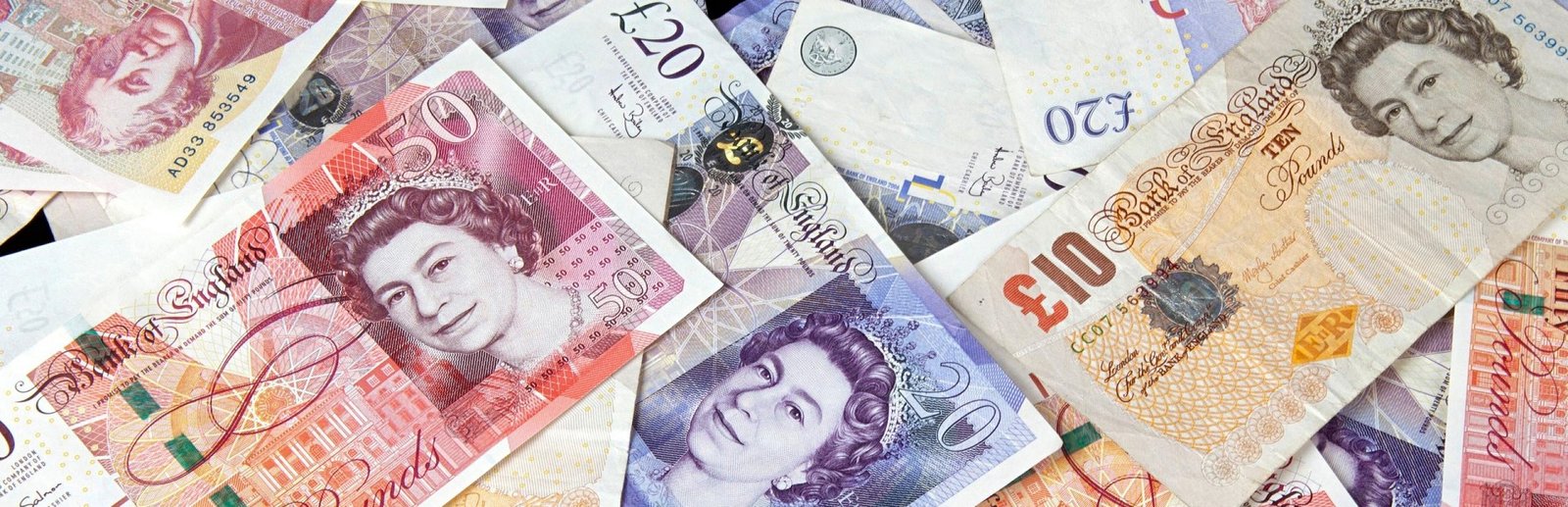
Counterfeit banknotes are unauthorized reproductions of genuine currency designed to imitate real money. They can resemble legitimate banknotes closely enough to create confusion during everyday transactions, particularly when people handle cash quickly or are unfamiliar with the security features of the currency they receive.
Knowing how to identify counterfeit banknotes is an important part of financial awareness. Whether you are a consumer, retailer, business owner, cashier, or someone who regularly handles cash, understanding basic banknote security features can help you recognize suspicious notes and avoid unnecessary financial losses.
Modern currencies incorporate several security technologies designed to make banknotes easier to authenticate and more difficult to reproduce illegally. These features vary between countries, currencies, denominations, and banknote generations. Learning how to examine them is therefore more reliable than depending on a single visual characteristic.
What Are Counterfeit Banknotes?
Counterfeit banknotes are unauthorized reproductions of genuine currency created with the intention of deceiving people into accepting them as legitimate money.
They may imitate the appearance, colours, dimensions, portraits, denominations, and other design elements of genuine banknotes. However, reproducing the general appearance of a currency does not automatically reproduce the specialized materials, printing processes, and security technologies used by authorized currency producers.
Counterfeiting is a financial crime in many jurisdictions because it undermines confidence in national currencies, creates financial losses for individuals and businesses, and can affect the wider economy.
It is important to distinguish counterfeit currency from legitimate reproductions used for educational, theatrical, historical, or collectible purposes. The legal requirements for reproductions differ between jurisdictions, and materials intended for legitimate display or entertainment must comply with applicable restrictions.
Why Do Banknotes Have Security Features?
Banknote security features are designed to help the public, businesses, financial institutions, and law-enforcement authorities distinguish genuine currency from unauthorized reproductions.
Central banks and authorized currency-producing institutions invest in specialized materials, printing techniques, and security technologies to protect the integrity of national currencies.
These features serve several important purposes.
Preventing counterfeiting: Specialized security elements make unauthorized reproduction more difficult.
Supporting public recognition: Features that can be checked by touch, sight, or movement help people identify genuine currency during everyday transactions.
Protecting financial transactions: Reliable banknote authentication helps reduce the risk of businesses and individuals accepting counterfeit money.
Maintaining confidence in currency: Public trust in the authenticity and reliability of money is essential to the functioning of modern economies.
As printing and reproduction technologies develop, central banks continue to review and improve the security features incorporated into their banknotes.
How to Identify Counterfeit Banknotes: The Main Security Checks
One of the most widely recommended approaches to checking banknotes is to examine their physical characteristics and security features rather than relying on appearance alone.
The European Central Bank recommends the simple FEEL, LOOK and TILT method for checking euro banknotes. Other central banks use similar approaches, although the specific features vary according to the currency.
1. Feel the Banknote
The physical texture of a banknote can provide useful information about its authenticity.
Genuine banknotes are produced using specialized materials and printing techniques that give them distinctive characteristics. Depending on the currency, these may include a particular paper texture, polymer construction, or areas of raised printing.
Some banknotes have raised tactile elements around portraits, lettering, denomination numerals, or other prominent design features. These elements can help people recognize genuine notes, including individuals with visual impairments.
However, the feel of a banknote should never be treated as conclusive proof of authenticity. Different currencies use different materials, and genuine notes may become worn through circulation.
2. Look at the Banknote Against the Light
Many modern banknotes contain security elements that become visible when held against a light source.
Two commonly used examples are watermarks and security threads.
Watermarks: A watermark is an image or design incorporated into the banknote material during production. On supported banknotes, it may show a portrait, denomination, emblem, or other identifying feature.
Security threads: A security thread is an integrated security element within the banknote. Depending on the currency, it may display text, denomination information, or other visual characteristics when examined against the light.
Some currencies also incorporate see-through registration features. These are design elements printed on different parts of the banknote that align to form a complete image when viewed against a light source.
The precise appearance and location of these features differ between banknotes. Always compare them with the official reference images and guidance issued for the relevant currency.
3. Tilt the Banknote to Examine Its Visual Features
Certain banknote security features are designed to change appearance when the note is tilted.
These effects may involve changes in colour, movement-like visual patterns, reflective elements, or changing images.
Holograms are one familiar example. They are optical security elements that produce different visual effects depending on the angle of observation.
Some currencies also incorporate colour-changing ink or specialized reflective elements that help distinguish genuine banknotes from ordinary printed reproductions.
For example, the Europa series of euro banknotes includes a hologram and an emerald number with a moving light effect and a colour change when tilted.
These characteristics are currency-specific. A feature found on one denomination or banknote series should not automatically be expected on another.
4. Examine the Printing Quality and Raised Details
Genuine banknotes are produced through specialized printing processes designed to maintain consistency, clarity, and durability.
Some banknotes use intaglio printing, a process that creates raised ink features that can be felt by touch.
Other printed elements may include detailed portraits, fine-line patterns, carefully defined lettering, and intricate background designs.
Printing quality can provide useful information during an initial examination. However, visual inspection alone is not sufficient to authenticate a banknote. The most reliable approach is to check the security features identified by the relevant central bank.
5. Understand Microprinting and Other Specialized Features
Microprinting involves very small text incorporated into selected areas of some banknotes.
It is one of several specialized security elements used in modern currency production. Depending on the banknote, additional features may include ultraviolet-reactive inks, fluorescent markings, infrared properties, or machine-readable security elements.
These features are particularly relevant to professional cash-handling environments, financial institutions, and authorized currency-authentication equipment.
Not every banknote contains every feature. Some security elements are intended for public inspection, while others are designed primarily for trained personnel and specialized verification equipment.
Common Security Features Found on Modern Banknotes
The following table explains some of the most widely recognized banknote security technologies.
| Security feature | General purpose |
|---|---|
| Watermark | Provides an integrated visual security element |
| Security thread | Adds an embedded authentication feature |
| Hologram | Uses optical effects that change with viewing angle |
| Raised printing | Creates tactile details on selected printed areas |
| Colour-changing ink | Produces a visible colour effect when the note is tilted |
| Microprinting | Incorporates very small printed text |
| Ultraviolet features | Reveals selected markings under appropriate UV illumination |
| See-through registration | Uses aligned design elements visible against light |
| Polymer substrate | Provides a specialized plastic-based banknote material |
| Infrared features | Supports examination using specialized authentication equipment |
These features are not universal. Their presence, appearance, and location depend on the issuing authority and the particular banknote series.
Paper Banknotes vs Polymer Banknotes: Understanding the Difference
One important development in modern currency production is the use of polymer instead of traditional paper-based banknote materials.
Paper banknotes are generally produced using specialized cotton-based or other security-grade substrates rather than ordinary commercial paper. They can incorporate watermarks, embedded threads, raised printing, and other security technologies.
Polymer banknotes are manufactured using a specialized plastic substrate. They may incorporate transparent windows, tactile features, holographic elements, and other security technologies.
Both materials can support sophisticated security features, and neither should automatically be considered more authentic simply because of its material.
Countries including Australia, Canada, and the United Kingdom have introduced polymer banknotes into circulation.
For example, the Reserve Bank of Australia explains that its polymer banknotes incorporate features such as transparent windows, raised printing, colour effects, and other authentication elements.
The choice of banknote material depends on factors such as durability, security, production requirements, accessibility, and environmental considerations.
How Different Countries Protect Their Banknotes
Banknote security is not identical worldwide. Each issuing authority determines the design, materials, and authentication features used for its currency.
Here are examples of how selected currencies approach banknote security.
United States Dollar
United States currency incorporates several security features, depending on the denomination and series.
These may include specialized paper composition, security threads, watermarks, colour-shifting ink, and other features designed to support public authentication.
The United States Currency Education Program provides educational resources explaining how to examine genuine dollar banknotes.
Official reference: https://www.uscurrency.gov/
Euro Banknotes
Euro banknotes use a range of security features designed to help the public distinguish genuine currency from counterfeits.
The European Central Bank recommends the FEEL, LOOK and TILT method. Depending on the series and denomination, features include raised printing, watermarks, security threads, holograms, and colour-changing elements.
Official reference: https://www.ecb.europa.eu/euro/banknotes/current/security/html/index.en.html
British Pound Sterling
Current Bank of England banknotes are made from polymer and incorporate several distinctive security elements.
These include transparent windows, metallic features, holograms, and raised printing. The exact features vary according to denomination.
The Bank of England provides official guides explaining how to check its banknotes.
Official reference: https://www.bankofengland.co.uk/banknotes/counterfeit-banknotes/how-to-check-your-banknotes
Australian Dollar
Australian banknotes are made from polymer and contain multiple security features, including transparent windows, raised printing, microprinting, and visual effects that change when the banknote is tilted.
The Reserve Bank of Australia publishes a detailed guide explaining the features used on its different banknote series.
Official reference: https://banknotes.rba.gov.au/counterfeit-detection/
Canadian Dollar
Canadian banknotes are also made from polymer and incorporate features such as transparent windows, metallic images, and raised printing.
The Bank of Canada provides public guidance on checking the security features of genuine Canadian banknotes.
Official reference: https://www.bankofcanada.ca/banknotes/counterfeit-prevention/
Why You Should Never Rely on Just One Security Feature
A common mistake when checking currency is assuming that the presence of one familiar feature automatically proves a banknote is genuine.
Banknote authentication should involve examining several features together.
For example, a watermark may be present on one currency but absent from another. Similarly, polymer banknotes may use transparent windows rather than the traditional paper-based security features found on other currencies.
The appearance of a banknote may also change through normal circulation. Older notes can become worn, creased, faded, or damaged without necessarily becoming counterfeit.
For these reasons, a reliable assessment should consider the currency, denomination, banknote series, physical condition, and official security specifications.
When uncertainty remains, a bank or authorized financial institution is better placed to conduct a more detailed examination.
What Should You Do If You Receive a Suspected Counterfeit Banknote?
If you receive a banknote that appears suspicious, it is important to respond carefully.
Do not knowingly pass it on. Attempting to use a banknote you believe is counterfeit may create legal consequences.
Avoid unnecessary handling. Follow the instructions provided by the relevant authorities. Do not attempt to alter, repair, or investigate the note using unauthorized methods.
Compare it with official references. Consult the issuing central bank’s website or published banknote guide to understand the security features expected for that denomination and series.
Contact your bank or the relevant authorities. A financial institution may be able to examine the banknote using appropriate equipment and explain the reporting process.
Record relevant information. Where safe and appropriate, remember when and where you received the banknote and any details that may help an investigation.
Procedures vary between countries. In some jurisdictions, suspected counterfeit notes must be surrendered to the police or another designated authority. Compensation is generally not guaranteed, and counterfeit currency has no legitimate monetary value.
The Economic Impact of Counterfeit Currency
Counterfeit banknotes affect more than the individual who unknowingly receives one. They can create broader problems for businesses, financial institutions, governments, and the public.
Financial Losses for Consumers and Businesses
A person who accepts a counterfeit banknote may lose the value of the transaction because the note cannot legitimately be exchanged or used as genuine currency.
Retailers, transport operators, market traders, and other cash-based businesses may be particularly exposed when they handle large volumes of cash.
Reduced Public Confidence
Money relies heavily on public confidence. People must be able to trust that the banknotes they receive and use are genuine.
Widespread counterfeiting can weaken confidence in physical currency and create uncertainty in everyday commercial transactions.
Costs for Financial Institutions and Governments
Central banks, law-enforcement agencies, financial institutions, and businesses invest resources in currency security, counterfeit detection, investigations, public education, and the replacement of compromised banknotes.
These activities are important for maintaining the reliability of national payment systems.
Links to Wider Financial Crime
Currency counterfeiting can also be associated with organized criminal activity and other forms of financial crime.
This makes effective detection, public awareness, and cooperation between financial institutions and law-enforcement agencies important elements of currency protection.
How Technology Is Changing Banknote Security
Currency security continues to evolve as new materials, printing technologies, and authentication methods become available.
Central banks and authorized currency producers continually evaluate ways to make banknotes easier to recognize and more resistant to unauthorized reproduction.
Some important areas of development include:
Advanced polymer materials: Specialized substrates allow the incorporation of transparent areas and other security elements while providing durability.
Improved optical technologies: Holographic and colour-changing elements provide visual characteristics that support authentication.
Machine-readable features: Some banknotes contain security properties that can be examined using specialized devices.
Enhanced printing techniques: Advanced printing processes help create detailed designs, tactile elements, and complex security features.
Public education: Central banks increasingly provide digital guides, training materials, and educational resources to help people recognize genuine currency.
These developments demonstrate that banknote security is not a fixed technology. It is an evolving field that responds to changing threats and advances in currency production.
Frequently Asked Questions About Counterfeit Banknotes
What is a counterfeit banknote?
A counterfeit banknote is an unauthorized reproduction of genuine currency created to imitate real money and deceive people into accepting it as legitimate.
How can I identify a counterfeit banknote?
Start by checking the banknote’s physical feel, examining its security features against the light, and observing any visual effects when tilted. Compare several features with official guidance from the issuing central bank.
What is the easiest way to check whether a banknote is genuine?
Many central banks recommend a combination of touch, visual inspection, and movement-based checks. The European Central Bank’s FEEL, LOOK and TILT method is one well-known example. The appropriate checks depend on the currency.
Do all genuine banknotes have watermarks?
No. Security features vary between currencies and banknote generations. Some notes use watermarks, while others rely on polymer windows, holograms, embedded threads, or different technologies.
Can counterfeit banknotes look like genuine money?
Yes. Counterfeiters attempt to imitate the appearance of genuine currency. However, visual similarity alone does not establish authenticity. Examining official security features is important.
Are polymer banknotes harder to counterfeit?
Polymer materials allow central banks to incorporate specialized security features, including transparent windows and optical elements. These can make unauthorized reproduction more difficult, although no banknote material completely eliminates counterfeiting.
What should I do if I accidentally receive fake money?
Do not knowingly spend or pass on a suspected counterfeit note. Contact your bank or the relevant authorities and follow the procedures applicable in your country.
Can a bank confirm whether a banknote is genuine?
Banks and authorized financial institutions often have access to specialized equipment and trained personnel who can examine suspicious currency. Contact the relevant institution for its verification and reporting procedures.
Are old banknotes automatically counterfeit?
No. A banknote may be old, withdrawn from circulation, damaged, or no longer legal tender without being counterfeit. Its status should be checked against official information from the issuing authority.
Where can I find official information about banknote security?
The most reliable sources are the websites of central banks and authorized currency-issuing institutions. Examples include the European Central Bank, Bank of England, Federal Reserve-related currency education resources, Reserve Bank of Australia, and Bank of Canada.
Conclusion
Knowing how to identify counterfeit banknotes is an important financial skill for anyone who handles physical currency. Although counterfeit money may imitate the appearance of genuine banknotes, modern currencies incorporate specialized security technologies that help distinguish authorized currency from fraudulent reproductions.
Understanding watermarks, security threads, holograms, raised printing, polymer materials, and other authentication features can improve awareness and help people recognize suspicious notes.
However, no single feature should be treated as conclusive proof of authenticity. The most reliable approach is to examine several features and consult the official guidance issued by the relevant central bank.
As currency technology continues to develop, staying informed about banknote security and counterfeit-prevention practices will remain essential for consumers, businesses, and financial institutions.
